


What is a chapbook? Until the beginning of my last third-year semester, I had no idea what a chapbook was. Maybe I’ve been living under a poetic rock, but even as an active member of the poetry community, I didn’t have the slightest idea. I was introduced to chapbooks in my poetry class, where we had to purchase and review one, as well as create our own.
A chapbook is a short collection of about 15-40 poems that are saddle-stitch bound with about 10 folios (40 pages), and usually only 150 copies are produced. Although some may say that Chapbooks have to be themed or follow a story, they don’t have to. They are often used as a way for emerging poets and writers to establish their voice and gain credibility. It offers a medium for poets to showcase their creative and poetic skills in a smaller piece of work.

First published in early modern England, Chapbooks got their name from the peddlers who distributed them, who were called chapmen. They were small, inexpensive books, not to be confused with pamphlets, which often contained political news. Chapbooks were filled with jests, poetry, and short stories, often about folklore.
Today, they are specific to poetry, and there are a couple of ways to get yours published!
Self-publishing:
Self-publishing has become increasingly popular in recent years, mainly due to the rise of companies like Amazon’s Kindle. However, because Chapbooks are fairly inexpensive to produce, they are often an investment rather than a mode of income. Chapbooks do not sell for much, and in choosing to self-publish, you would have to take on all of the production and advertising costs. Although this also means having full creative freedom and control over the final product, meaning your work is YOUR work, further establishing your poetic voice.
Indie and traditional publishing houses:
Indie publishing houses are often small and financially constrained. Chapbooks, again, are inexpensive to make, but do not generate much income. On the upside, they will usually give you more creative freedom, as well as promotion opportunities, than traditional publishing houses. On the downside, many of these publishing houses are on hiatus, shutting down, or not accepting new publications – although there are still a few that are staying afloat. This is also partly because self-publishing has become the most popular choice, with many people preferring digital formats over print, and most publishers favor long-form poetry books to generate more profit.
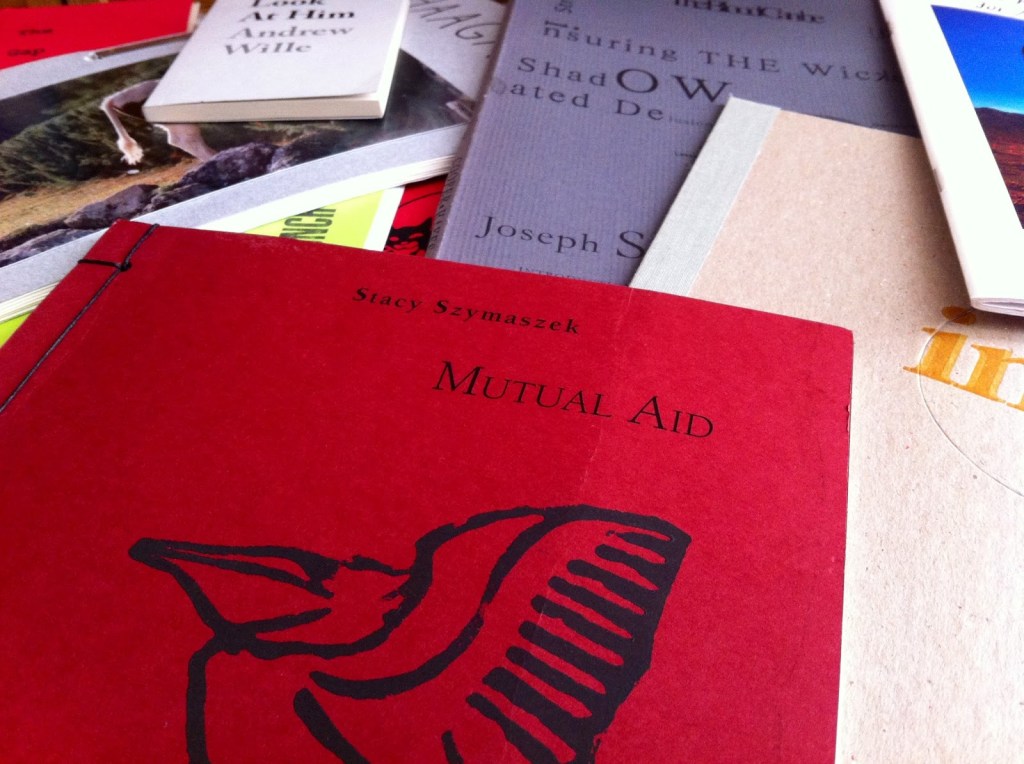
But don’t let this bring you down on creating and publishing a chapbook!!!! Chapbooks are a great way for emerging poets to share their voice and connect with other writers, publishers, and readers. Building your poetic voice is one of the first steps before publishing poetry books! This experience also provides a glimpse into the editing and publishing process. I’d recommend it to those who have the means to invest in their poetic career.
Here are some links to a few lists of chapbook presses! I highly encourage checking some out and supporting smaller indie presses!
(This one highlights which genre they are looking for!)⇈
https://poets.ca/npm18-a-list-of-twenty-current-chapbook-presses-guest-post-by-rob-mclennan/
(This one shows all top Canadian chapbook presses, although a lot of them are on hiatus for submissions!)⇈
(This cite tells you all about chapbooks and gives a short list of no charge presses that accept unsolicited submissions!)⇈
 Ryn's Reading Room
Leave a comment